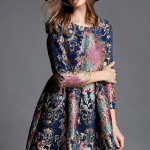
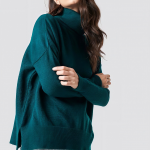
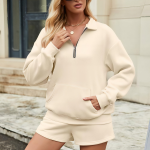
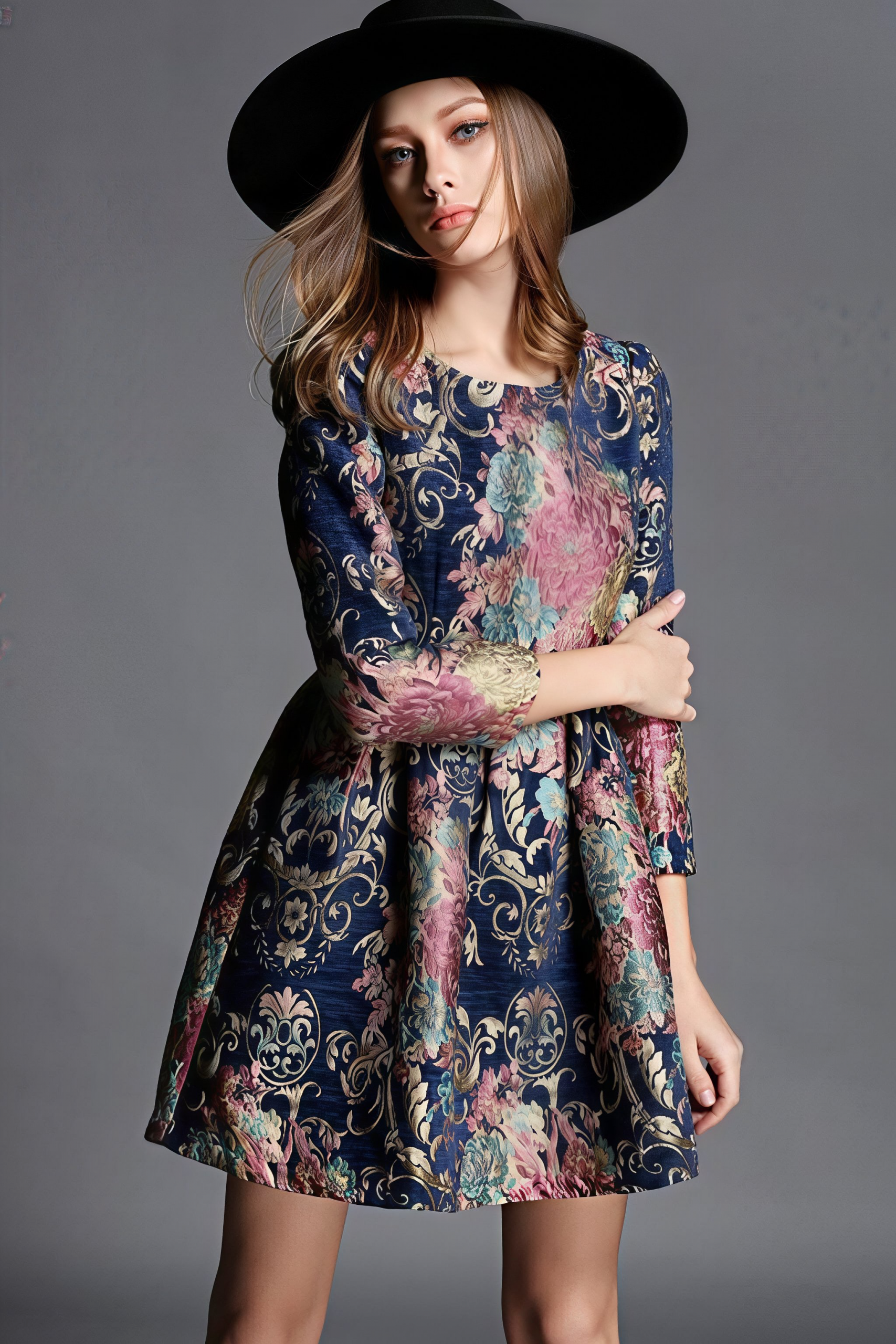
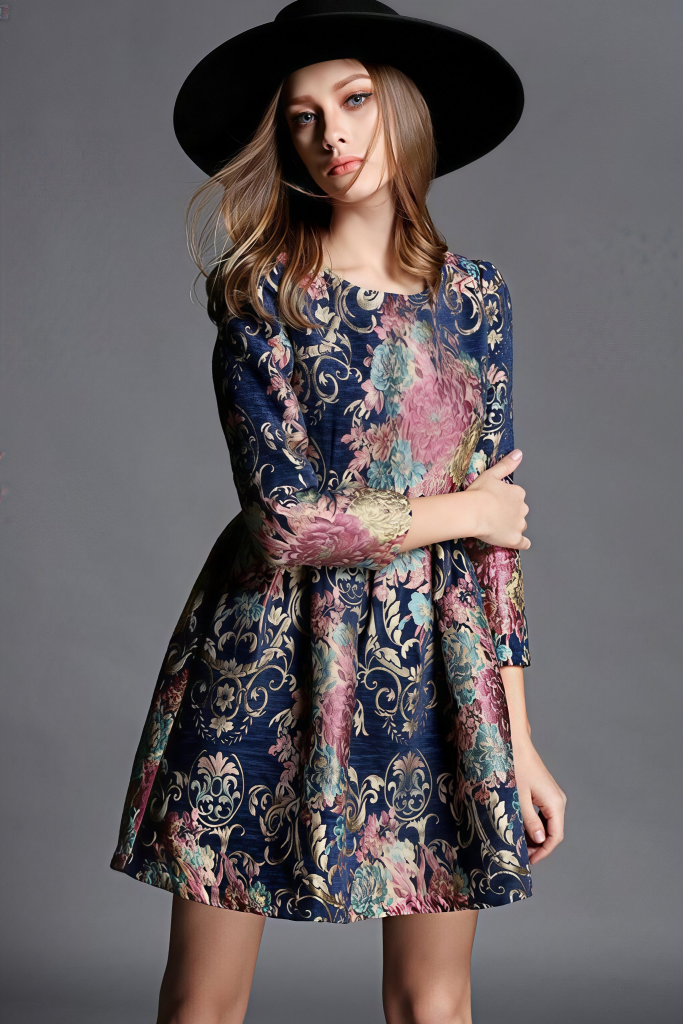
Suggested Image: A neatly arranged selection of clothing garments displayed on a neutral background, including a cotton shirt, knit sweater, tailored trousers, and denim jeans. Include subtle close-up details of fabric textures and stitching to communicate the importance of garment quality.
Suggested Alt Text: Different clothing fabrics and garments arranged to illustrate how to evaluate clothing quality before buying online.
Buying clothes online offers convenience, variety, and access to styles that may not be available in local stores. However, shopping without physically examining a garment creates a common challenge: determining whether an item is genuinely well made before placing an order.
A product photograph may look impressive, but appearance alone does not reveal fabric durability, stitching consistency, construction quality, or how a garment will perform after repeated wear and washing.
Understanding how to evaluate clothing quality before buying online can help you make more informed purchasing decisions. By examining fabric composition, product photographs, construction details, sizing information, and customer feedback, you can identify useful quality indicators even when you cannot touch or try on the clothing.
The key is to look beyond attractive styling and consider the actual characteristics of the garment.
1. Start With the Fabric Composition
Fabric composition is one of the most important factors to examine when evaluating clothing online. It tells you which fibers are used to make a garment and provides useful clues about its texture, comfort, maintenance requirements, and potential durability.
Most online clothing retailers provide material information in the product description or specifications section. Read these details carefully rather than relying on general descriptions such as soft, premium, or comfortable.
Understand Natural and Synthetic Fibers
Different fibers have different properties, and none is automatically superior in every situation.
Common natural fibers include:
- Cotton: Generally breathable, comfortable, and versatile. Its performance depends on fiber quality, fabric construction, and finishing.
- Linen: Known for its lightweight structure and breathable characteristics. It naturally wrinkles more easily than many other fabrics.
- Wool: Provides insulation and can regulate temperature. Different wool types have different textures and care requirements.
- Silk: A smooth natural fiber with a distinctive appearance and drape. It often requires more careful maintenance.
Common synthetic fibers include:
- Polyester: Often wrinkle-resistant, relatively durable, and quick-drying.
- Nylon: Known for strength, flexibility, and abrasion resistance.
- Acrylic: Frequently used in knitwear as an alternative to wool.
- Elastane: Adds stretch and flexibility when blended with other fibers.
The best material depends on the garment’s intended purpose. For example, cotton may be suitable for everyday shirts, while polyester blends may be practical for certain activewear and travel clothing.
Look Beyond the Fabric Name
A garment made from 100% cotton is not necessarily better constructed than one made from a cotton-polyester blend.
Fiber quality, yarn structure, fabric density, manufacturing methods, and finishing processes also influence the final result.
Blended fabrics can combine useful characteristics. A cotton-polyester blend, for example, may offer a balance between comfort and wrinkle resistance.
Instead of automatically choosing natural fibers, consider whether the material composition suits the garment’s intended use.
2. Evaluate Fabric Weight and Texture
Fabric weight and texture can provide additional clues about clothing quality.
Although product photographs cannot reveal every physical characteristic, they can help you assess how a garment is likely to look and behave.
Understand Fabric Weight
Fabric weight refers to the mass of a fabric over a specified area, commonly expressed in grams per square meter (GSM).
A higher GSM generally indicates heavier fabric, but heavier does not automatically mean better quality.
Different garments require different fabric weights:
- Lightweight fabrics are commonly used for summer shirts, blouses, and breathable layers.
- Medium-weight fabrics are suitable for many everyday shirts, trousers, and dresses.
- Heavyweight fabrics are often used for denim, outerwear, and structured garments.
When evaluating a product, consider whether its apparent weight matches its intended function.
For example, a lightweight summer blouse does not need the same fabric weight as a winter jacket.
Consider Texture and Surface Appearance
Product images can reveal certain aspects of fabric texture.
Look for photographs that show the material from different angles and distances. Close-up images may help you identify whether the surface appears smooth, textured, brushed, ribbed, or loosely knitted.
Pay attention to:
- Whether the fabric surface looks consistent.
- Whether the material appears excessively thin for the garment type.
- Whether knitted sections have an even structure.
- Whether the fabric drapes naturally in different photographs.
- Whether the garment appears excessively shiny or uneven.
Be careful when interpreting these details. Lighting, photography equipment, editing, and screen settings can change how fabrics appear.
A photograph should be treated as supporting evidence rather than a complete assessment of material quality.
3. Examine Stitching and Garment Construction
Fabric is only one part of clothing quality. The way a garment is assembled also influences its durability, appearance, and ability to maintain its shape.
Even attractive materials can produce disappointing results when stitching and construction are inconsistent.
Check Seams and Stitch Consistency
Seams connect different fabric sections and help determine how well a garment holds together during regular use.
When examining product photographs, look for visible stitching around areas such as shoulders, sleeves, waistbands, and side seams.
Useful quality indicators include:
- Straight and consistent stitch lines.
- Even spacing between stitches.
- Neatly finished seam edges.
- Consistent construction across different sections.
- No obvious loose threads or irregular stitching.
Pay particular attention to areas that experience regular movement, including underarms, pockets, and garment openings.
These areas often provide useful clues about the attention given to construction.
Look at Hems, Closures, and Finishing
Finishing details can distinguish a carefully constructed garment from one with a less refined appearance.
Examine the following components when product images provide enough detail:
Hems: Finished edges should generally look even and consistent with the garment’s design.
Buttons: Check whether buttons appear securely attached and evenly positioned.
Zippers: Look for smooth-looking zipper tracks and clean integration into the surrounding fabric.
Buttonholes: These should appear appropriately sized and neatly finished.
Lining: For lined garments, examine whether the lining appears properly integrated rather than loosely attached.
Not every garment needs elaborate finishing. A casual T-shirt and a tailored jacket naturally have different construction requirements.
The important consideration is whether the finishing matches the garment’s intended style and function.
4. Use Product Photos to Inspect Details
Product photographs are among the most valuable resources available when shopping online. However, not all images provide the same level of information.
A single front-facing photograph may communicate the overall design but reveal very little about construction, fabric texture, or finishing.
Examine Close-Up Images
When available, prioritize photographs that show the garment from multiple perspectives.
Useful images include:
- Front and back views.
- Side views showing the garment’s shape.
- Close-ups of fabric texture.
- Images of stitching and seams.
- Details of buttons, zippers, and pockets.
- Photographs showing how the garment drapes when worn.
These views help you assess whether the garment’s construction appears consistent throughout.
For example, a jacket photographed only from the front may conceal important details about its lining, shoulder construction, and sleeve finishing.
Look for Consistent Product Presentation
Compare the appearance of the same garment across different photographs.
Check whether the fabric texture, color, proportions, and overall structure appear reasonably consistent.
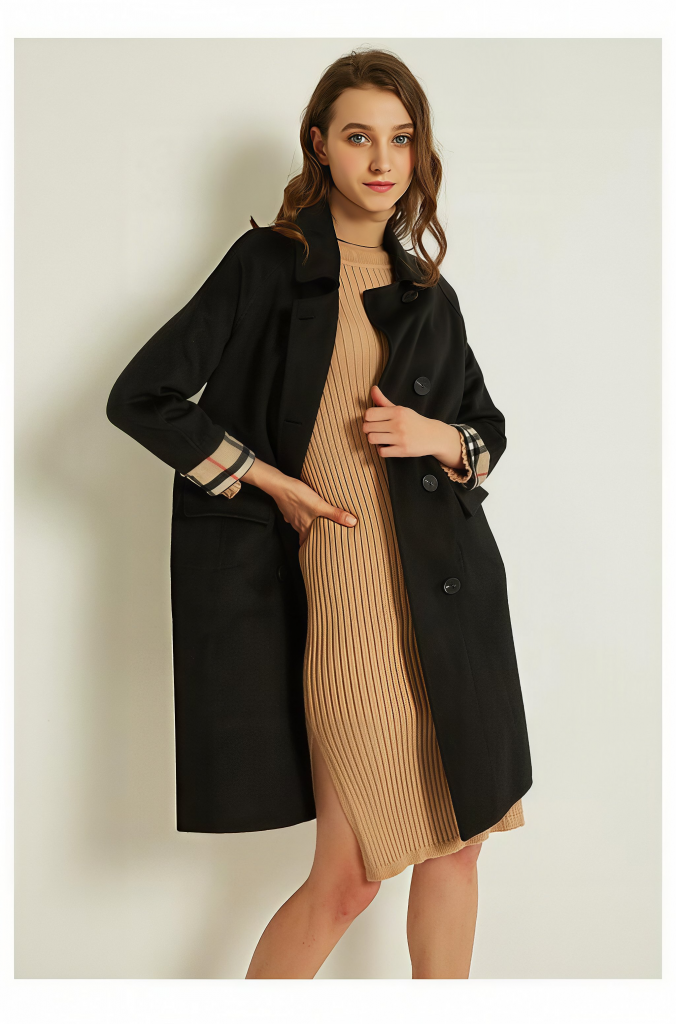
Be cautious when photographs look unusually polished but provide no detailed views of the actual product.
This does not necessarily indicate poor quality. Professional lighting and styling are common in fashion photography. However, limited visual information makes independent evaluation more difficult.
Suggested Image: A detailed comparison showing close-up views of garment construction, including a neatly finished seam, even stitching, a button closure, a zipper, and visible fabric texture. Arrange the details in a clean editorial layout with clear visual separation.
Suggested Alt Text: Close-up examples of fabric texture, stitching, seams, and garment finishing details used to assess clothing quality.
5. Read Product Descriptions Carefully
Product descriptions provide information that photographs cannot always communicate.
A detailed listing should explain the garment’s materials, construction, fit, and maintenance requirements.
When these details are missing, you have less information available to evaluate the product.
Check Material and Care Information
Look for specific details about:
- Fabric composition and fiber percentages.
- Garment lining.
- Stretch characteristics.
- Fabric thickness or weight, when available.
- Fit description.
- Recommended washing instructions.
- Special construction features.
Care instructions are particularly useful because they indicate how much maintenance a garment may require.
For example, a delicate fabric requiring hand washing may not be the most practical option for someone seeking easy-care everyday clothing.
Similarly, a garment that requires dry cleaning may involve additional long-term maintenance costs.
Watch for Vague Quality Claims
Descriptions frequently use terms such as premium, luxury, high-quality, and durable.
These words can communicate a brand’s positioning, but they do not independently establish garment quality.
Look for measurable or verifiable information instead.
Compare the following examples:
| Vague Description | More Useful Information |
|---|---|
| Premium cotton | 100% cotton with specified fabric weight |
| Luxury finish | Fully lined with neatly finished seams |
| Comfortable material | Cotton-polyester blend with stretch |
| Durable construction | Reinforced seams at selected stress points |
| Soft fabric | Brushed cotton with a described surface texture |
Specific information makes it easier to compare products and understand what you are purchasing.
6. Understand Sizing and Fit Information
Clothing quality is not determined by construction alone. Fit also affects how practical and comfortable a garment will be.
An otherwise well-made item may not meet your needs if its proportions, length, or cut are unsuitable.
Use Garment Measurements
Do not rely exclusively on standard size labels such as S, M, L, or XL.
Sizing can vary considerably between retailers, countries, and garment categories.
Whenever possible, examine the actual measurements provided in the product listing.
Common measurements include:
- Chest or bust circumference.
- Shoulder width.
- Sleeve length.
- Waist measurement.
- Hip measurement.
- Inseam.
- Total garment length.
Compare these measurements with a similar garment that fits comfortably.
Remember that body measurements and garment measurements are not interchangeable. Garments may include additional room depending on their intended fit and construction.
Consider Fit and Construction
Different silhouettes require different approaches to fit evaluation.
For example:
- Tailored clothing generally requires more attention to shoulder alignment and proportions.
- Oversized garments are designed with additional room and should not be judged by standard fitted measurements alone.
- Stretch garments require consideration of fabric elasticity and recovery.
- Structured jackets may depend heavily on shoulder construction and lining.
Reading the fit description alongside the measurement chart provides a more complete understanding of the garment.
7. Analyze Customer Reviews and Feedback
Customer reviews can provide useful information that is not included in official product descriptions.
They may reveal how a garment performs after delivery, whether the sizing is consistent, and whether the material matches the product photographs.
However, individual opinions should not be treated as definitive proof.
Look for Repeated Comments
Rather than focusing on one extremely positive or negative review, identify recurring observations.
For example, several customers independently mentioning loose stitching may indicate a potential construction concern.
Similarly, repeated comments about fabric transparency, shrinking, or inconsistent sizing deserve attention.
Look for patterns involving:
- Fabric thickness.
- Material feel.
- Stitching and finishing.
- Color accuracy.
- Sizing consistency.
- Washing performance.
- Shape retention.
Repeated feedback is generally more informative than isolated comments.
Interpret Customer Photos
Customer-uploaded photographs can provide another perspective on a garment.
They may show how the material looks under ordinary lighting and how the clothing fits outside professional product photography.
When reviewing customer images, consider whether:
- The garment’s color appears consistent with the listing.
- The fabric seems similar to the official photographs.
- The overall shape matches the advertised design.
- Different customers show reasonably consistent results.
Keep in mind that lighting, camera settings, personal fit preferences, and individual styling choices can affect these photographs.
8. Check Care Instructions and Durability
A garment’s long-term practicality depends partly on how well it tolerates regular care.
Two garments may look similar when new but require very different levels of maintenance.
Check whether the care instructions match your expectations and lifestyle.
Important details include:
- Machine washing or hand washing requirements.
- Recommended water temperature.
- Whether tumble drying is permitted.
- Ironing temperature.
- Dry-cleaning requirements.
- Special storage recommendations.
Also consider the characteristics of the fabric.
For example, some natural fibers may shrink if washed incorrectly, while certain synthetic materials may be sensitive to high temperatures.
Knitwear may require more careful storage to help maintain its shape.
These considerations do not automatically indicate poor quality. They simply help you understand the practical responsibilities associated with owning the garment.
9. Review Return Policies and Seller Information
Even careful research cannot eliminate every uncertainty when buying clothing online.
A retailer’s return policy provides an important safeguard when the delivered garment differs from its description or does not meet your expectations.
Before purchasing, review:
Return period: Check how long you have to request a return.
Return conditions: Determine whether clothing must remain unworn, unwashed, or retain its original tags.
Refund arrangements: Understand whether refunds are issued to the original payment method or through store credit.
Return shipping: Check whether return shipping costs are covered by the retailer or customer.
Seller information: Look for clear contact details, company information, and accessible customer support.
Also consider whether the retailer provides detailed product specifications and consistent customer service information.
Transparent policies and complete product listings make it easier to make informed decisions.
10. Common Warning Signs of Poor Clothing Quality
Certain product characteristics deserve additional attention when evaluating online clothing listings.
No single warning sign proves that a garment is poorly made, but several concerns appearing together may indicate that further investigation is necessary.
Common warning signs include:
- Missing or unclear fabric composition.
- No meaningful garment measurements.
- Very limited product photographs.
- No close-up images of important construction details.
- Inconsistent descriptions across product pages.
- Repeated customer complaints about stitching.
- Frequent reports of unexpected shrinking or fabric deterioration.
- Poorly explained care requirements.
- Unclear return conditions.
- Product photographs that provide little evidence of the actual garment.
The goal is not to reject every product with incomplete information. Instead, recognize when you have insufficient evidence to make a confident assessment.
11. Create a Practical Clothing Quality Checklist
A simple checklist can make online clothing shopping more consistent and efficient.
Rather than evaluating each garment based on appearance alone, review the same essential factors before making a decision.
| Evaluation Factor | What to Check |
|---|---|
| Fabric composition | Specific fiber names and percentages |
| Fabric weight | Whether the material suits the garment |
| Texture | Surface appearance and consistency |
| Stitching | Even stitches and finished seams |
| Construction | Hems, closures, lining, and details |
| Product photos | Multiple angles and close-up views |
| Description | Specific material and construction information |
| Measurements | Complete and relevant sizing details |
| Customer reviews | Repeated comments about quality |
| Care instructions | Practical maintenance requirements |
| Return policy | Clear and reasonable return conditions |
You can also organize your evaluation into three categories:
Strong indicators: Detailed fabric information, clear product photographs, consistent stitching, useful measurements, and specific customer feedback.
Uncertain indicators: Limited fabric information, missing close-up images, or incomplete construction descriptions.
Potential concerns: Repeated complaints about poor construction, inconsistent product information, and unclear return arrangements.
This approach helps separate observable evidence from assumptions.
It also encourages more thoughtful comparisons between garments that may look similar but differ significantly in their materials and construction.
Conclusion
Evaluating clothing quality before buying online requires looking beyond attractive photographs and general product descriptions.
Fabric composition, weight, texture, stitching, garment construction, and finishing details all contribute to how a garment looks and performs. Product photographs, customer reviews, sizing charts, and care instructions provide additional information that helps you assess these characteristics before purchasing.
No single factor determines whether clothing is high quality. A useful evaluation considers the complete garment, including its intended purpose, material properties, construction standards, and maintenance requirements.
By developing a consistent approach to checking these details, you can make more informed online shopping decisions, avoid common purchasing mistakes, and choose clothing that better matches your expectations for comfort, practicality, and durability.
Frequently Asked Questions
1. How can you tell if clothes are good quality when shopping online?
Start by checking the fabric composition, product photographs, stitching details, and garment measurements. Read customer reviews to identify recurring comments about material quality, construction, and durability. Detailed product descriptions and transparent return policies also provide useful indicators.
2. Does 100% cotton mean a garment is high quality?
No. Although cotton is a widely used natural fiber, its quality depends on factors such as fiber characteristics, yarn construction, fabric density, and manufacturing processes. A well-made cotton blend can sometimes offer better practical performance than a poorly constructed 100% cotton garment.
3. What are the signs of poorly made clothing?
Common warning signs include uneven stitching, unfinished seams, loose threads, poorly attached buttons, inconsistent fabric appearance, and unclear material information. Repeated customer complaints about shrinking, loose stitching, or fabric deterioration may also indicate potential quality concerns.
4. Is heavier fabric always better quality?
No. Fabric weight should match the garment’s intended purpose. Lightweight materials can be appropriate for summer clothing, while heavier fabrics may be more suitable for outerwear and structured garments. Fabric quality also depends on fiber properties, construction, and finishing.
5. Why should you read clothing reviews before buying online?
Customer reviews can reveal practical information that product descriptions may not provide, including sizing accuracy, fabric feel, stitching consistency, and performance after washing. Looking for repeated observations across multiple reviews provides a more balanced assessment than relying on individual opinions.