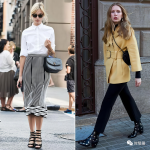
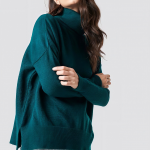
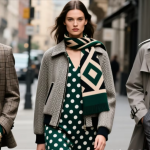
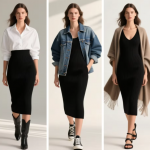
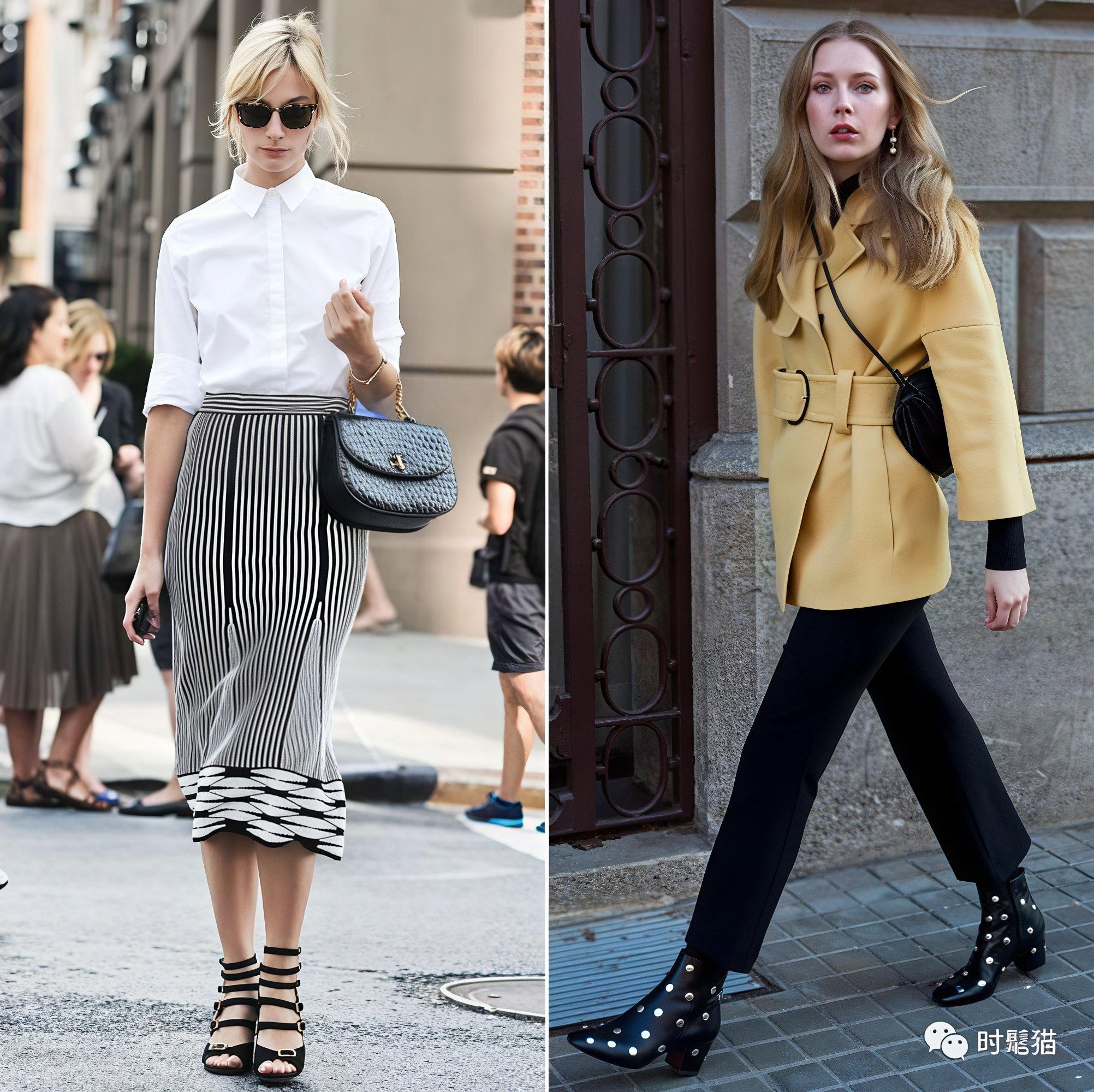
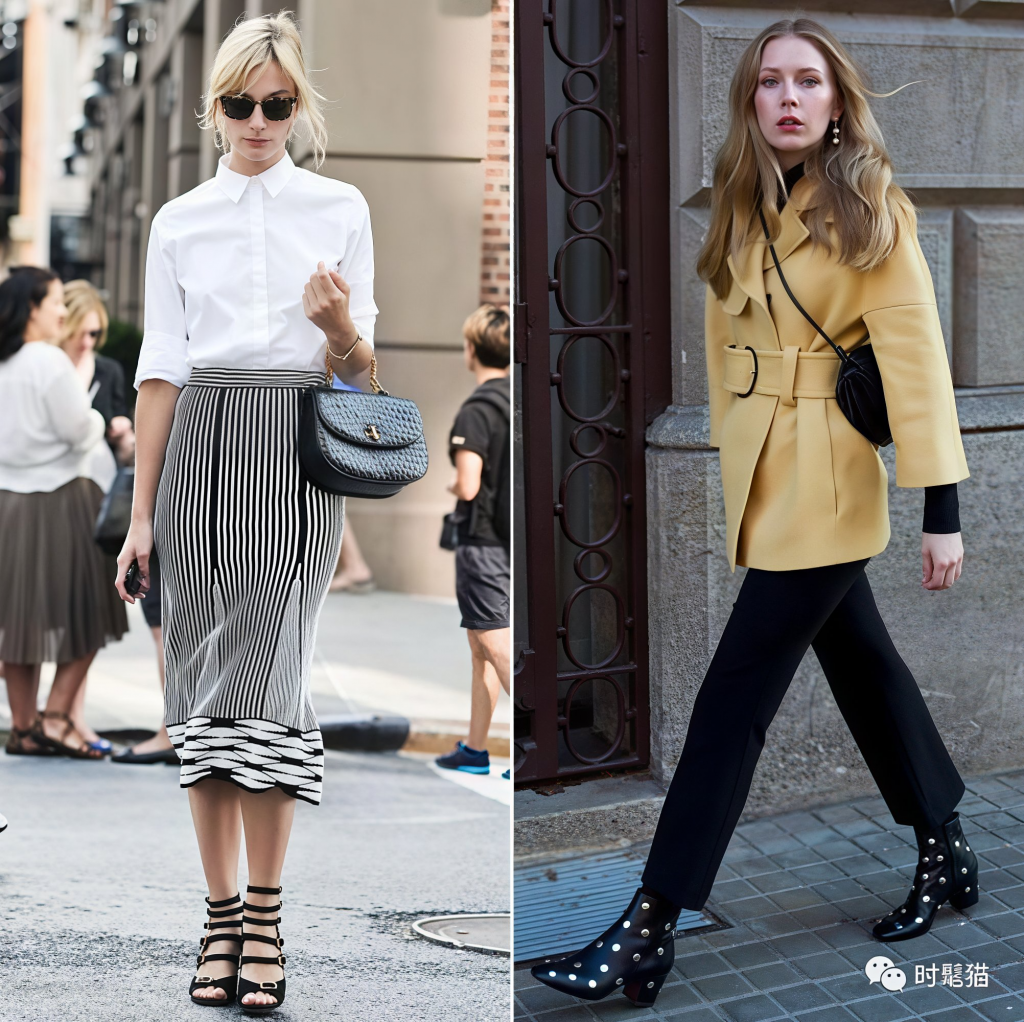
Suggested Image: A stylish, well-organized wardrobe featuring a selection of timeless clothing essentials, including white shirts, denim jeans, tailored trousers, neutral knitwear, a classic blazer, everyday shoes, and a structured handbag. Use a bright, natural setting with a clean editorial fashion aesthetic.
Suggested Alt Text: A collection of versatile women’s wardrobe essentials in neutral colors and classic styles.
Introduction
Building a wardrobe is not necessarily about having more clothes. It is about having clothing that works together, suits your lifestyle, and makes getting dressed easier.
Many women find themselves with full closets but still struggle to put together outfits for everyday situations. This often happens when individual purchases do not complement existing pieces or when a wardrobe contains too many items designed for very specific occasions.
A more practical approach is to establish a foundation of versatile wardrobe essentials. These are clothing pieces and accessories that can be styled in different ways, adapted to changing seasons, and worn across multiple settings.
The right wardrobe staples do not have to follow a particular fashion trend or color scheme. Instead, they should reflect your personal preferences, daily activities, and comfort requirements.
Whether you are organizing an existing closet or gradually building a new wardrobe, these 15 wardrobe essentials every woman should consider owning provide a useful starting point.
Why Wardrobe Essentials Matter
Wardrobe essentials serve as the foundation of everyday dressing. They make it easier to coordinate outfits without relying on complicated styling techniques or constantly purchasing new clothing.
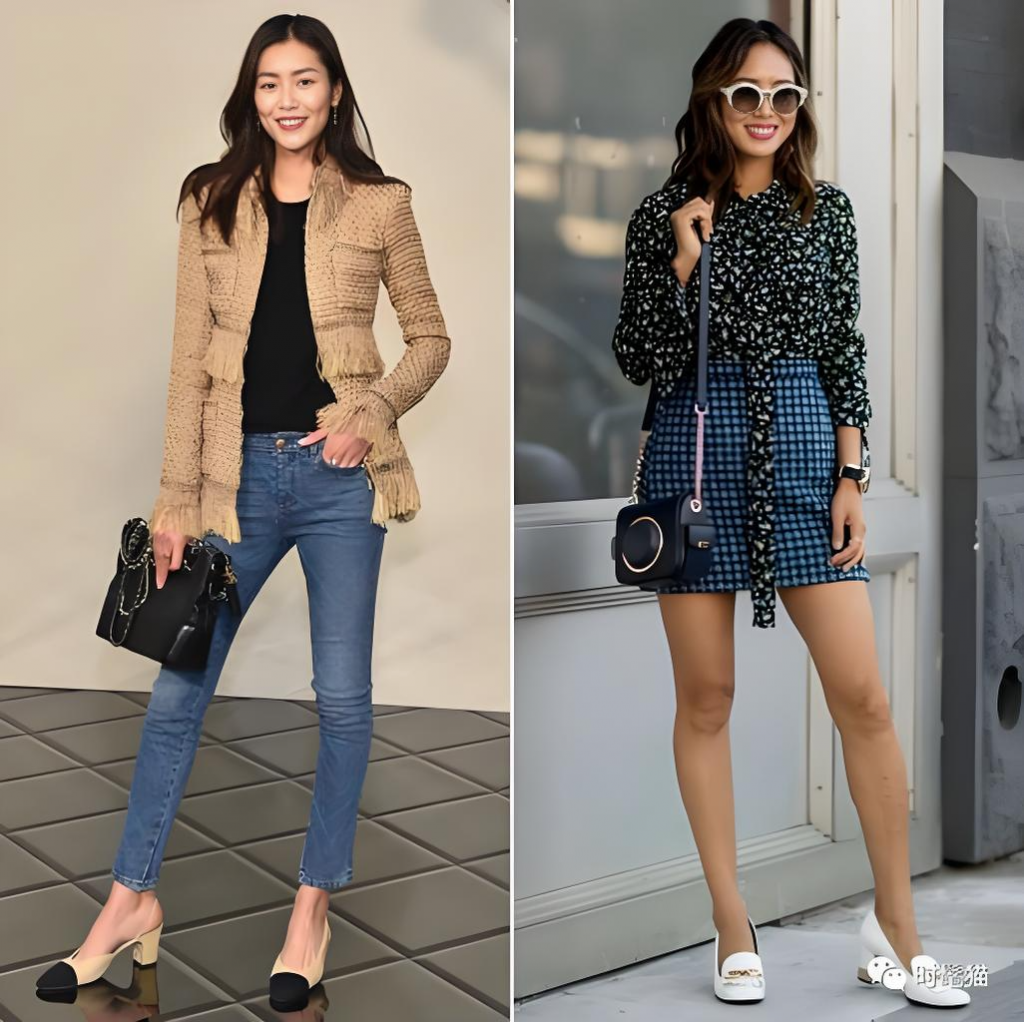
A versatile wardrobe also allows individual pieces to serve several purposes. For example, a classic blazer can complement jeans for a casual outfit or add structure to tailored trousers for a more polished appearance.
There are several practical advantages to choosing versatile clothing.
- Easier outfit coordination: Clothing in complementary colors and styles can be combined more naturally.
- Greater versatility: A single item can work for different occasions depending on how it is styled.
- More intentional shopping: Knowing what your wardrobe needs helps reduce unnecessary purchases.
- Better everyday functionality: Comfortable, practical clothing makes daily dressing more convenient.
- A clearer personal style: Consistent wardrobe choices help establish a recognizable approach to fashion.
Build a Foundation Around Your Lifestyle
Before choosing wardrobe staples, consider how you actually spend your time.
Someone who works in a professional environment may regularly need tailored trousers, blazers, and smart footwear. Someone with a more casual routine might get greater use from comfortable jeans, T-shirts, sneakers, and lightweight jackets.
Climate also matters. A thick wool coat may be useful in colder regions but unnecessary in consistently warm environments.
The objective is not to own every item traditionally associated with a capsule wardrobe. It is to identify the pieces that genuinely support your everyday needs.
15 Wardrobe Essentials Every Woman Should Consider Owning
The following clothing items offer a useful foundation for different personal styles. Each serves a distinct purpose and can be adapted through color, fabric, silhouette, and styling choices.
1. A Classic White Shirt
A classic white shirt is one of the most adaptable pieces in a woman’s wardrobe. Its clean appearance makes it suitable for casual outfits, professional settings, and more polished occasions.
For a traditional look, choose a button-down shirt with a comfortable fit and a simple collar. Relaxed or slightly oversized versions can create a more contemporary appearance.
You can style a white shirt in several ways:
- Wear it with jeans and sneakers for everyday dressing.
- Pair it with tailored trousers for a professional outfit.
- Layer it over a simple top as a lightweight outer layer.
- Combine it with a skirt for a balanced smart-casual look.
Fabric selection is important. Cotton is a practical option for regular wear, while linen can be particularly comfortable in warmer weather.
2. A Well-Fitting Pair of Jeans
Jeans remain a central part of many everyday wardrobes because they are practical and easy to coordinate.
The most useful pair is not necessarily the one currently dominating fashion trends. It is the one that feels comfortable and works with the clothing you already own.
Straight-leg, relaxed, wide-leg, and slim silhouettes all offer different styling possibilities.
Dark-wash denim often creates a more polished appearance, while lighter washes can work particularly well for relaxed daytime outfits.
When choosing jeans, consider the rise, fabric flexibility, length, and overall comfort. A versatile pair should complement several tops and footwear options.
3. Versatile Black Trousers
Black trousers provide an alternative to denim when an outfit requires a more refined appearance.
Depending on the cut and fabric, they can work in professional environments, social settings, and everyday smart-casual outfits.
Straight-leg and wide-leg designs are particularly adaptable because they can be paired with fitted tops, shirts, knitwear, and structured jackets.
For a more formal appearance, combine black trousers with a white shirt and blazer. For a relaxed outfit, try a simple T-shirt and comfortable flats.
Look for a fabric that maintains its shape and feels comfortable throughout the day.
4. A Comfortable Everyday T-Shirt
A basic T-shirt may appear simple, but it is one of the most frequently used pieces in many wardrobes.
It works independently during warmer weather and provides a useful base layer when temperatures drop.
White, black, gray, and other neutral shades are relatively easy to coordinate with different clothing styles.
A good everyday T-shirt should have:
- A comfortable neckline.
- A suitable sleeve length.
- Fabric that feels pleasant against the skin.
- A cut that works with your preferred outfits.
- Enough versatility to complement different bottoms.
You can wear it with jeans, skirts, tailored trousers, or underneath a cardigan or blazer.
Having a few dependable T-shirts in different colors can make everyday outfit planning considerably easier.
5. A Classic Blazer
A blazer introduces structure and creates a more polished appearance without requiring a completely formal outfit.
It is particularly useful when you want to make casual clothing look more refined.
A black, navy, gray, or beige blazer can coordinate with a variety of wardrobe staples. However, the most suitable color depends on your existing clothing collection.
For example, a blazer worn over a basic T-shirt and jeans creates a balanced smart-casual combination. With tailored trousers and a shirt, it becomes more appropriate for professional occasions.
Pay attention to shoulder fit, sleeve length, and overall proportions. A comfortable blazer should allow natural movement rather than feeling restrictive.
6. A Neutral Knit Sweater
Knitwear is an important part of a functional wardrobe, particularly during cooler seasons.
A neutral sweater in a color such as cream, gray, navy, or brown can complement jeans, trousers, and skirts.
Different knit textures also create different visual effects. Fine-knit sweaters tend to work well for layering, while chunkier designs can become the main focus of a casual outfit.
Consider the climate when selecting materials. Cotton blends can be useful for transitional weather, while wool and other insulating fibers may be more appropriate for colder conditions.
A versatile sweater should be comfortable enough for regular wear and easy to coordinate with your existing clothing.
7. A Timeless Little Black Dress
A simple black dress provides an adaptable option for occasions when jeans or everyday separates may not feel appropriate.
The term little black dress covers many different designs, including sleeveless styles, short-sleeved dresses, wrap silhouettes, and more structured options.
Rather than focusing on one particular shape, look for a design that suits your preferences and the occasions you attend.
Accessories can significantly change the overall appearance of a black dress.
- Add a blazer for a more structured outfit.
- Choose simple flats for a comfortable daytime look.
- Incorporate understated jewelry for a refined finish.
- Select appropriate footwear and accessories for evening occasions.
A relatively simple design often offers more styling flexibility than a dress with highly specific decorative details.
8. A Comfortable Cardigan
A cardigan is a practical layering piece that can make everyday outfits more adaptable.
Unlike heavier outerwear, it is generally easy to remove, carry, and incorporate into different clothing combinations.
A lightweight cardigan works well over T-shirts, shirts, and dresses. A thicker knit version can provide additional warmth during colder months.
Neutral shades offer straightforward coordination, although a subtle accent color can also add interest to a wardrobe.
Consider button placement, sleeve length, fabric softness, and overall fit when selecting one.
9. A Versatile Skirt
A skirt adds variety to a wardrobe that might otherwise rely heavily on trousers and jeans.
The most suitable design depends on your preferred style and daily activities.
A-line skirts, straight skirts, midi skirts, and simple pleated designs can all serve different purposes.
For everyday wear, a comfortable skirt in a practical fabric can be paired with a T-shirt, sweater, or casual shirt.
For more polished occasions, try combining it with a fitted top, blazer, or classic footwear.
When choosing a skirt, consider its length, movement, waistband comfort, and how easily it coordinates with your existing tops.
10. A Practical Casual Jacket
A casual jacket is useful for transitional weather and everyday layering.
Denim jackets, lightweight utility jackets, and simple bomber styles are examples of designs that can complement different wardrobe combinations.
A denim jacket works naturally with dresses, skirts, and casual trousers. A neutral utility jacket can provide a slightly more structured alternative for relaxed outfits.
The best option depends on your climate and the clothing you wear most frequently.
Look for practical details such as functional pockets, comfortable sleeves, and a suitable weight for the temperatures you regularly experience.
11. A Pair of Comfortable Sneakers
Everyday footwear deserves as much consideration as clothing because it directly affects how practical an outfit feels.
A versatile pair of sneakers can work with jeans, casual dresses, skirts, and relaxed trousers.
Simple white, gray, black, or neutral designs are often straightforward to coordinate with different clothing colors.
However, appearance should not be the only consideration. Comfort, fit, support, and suitability for your regular activities are equally important.
Choose sneakers that match your daily routine rather than selecting a style that only works with one specific outfit.
12. Classic Flats or Loafers
Flats and loafers provide alternatives to sneakers when you want a slightly more polished appearance without choosing formal footwear.
They can work particularly well with tailored trousers, jeans, midi skirts, and casual dresses.
Loafers often create a structured appearance, while simple ballet flats can offer a softer styling option.
Black and brown are traditional choices, but other neutral shades may coordinate better with certain wardrobes.
When comparing options, consider the sole, toe shape, material, and how comfortable they feel during extended wear.
13. A Pair of Occasion-Appropriate Shoes
Most wardrobes benefit from having at least one pair of shoes suitable for occasions that require a more formal appearance.
Depending on personal preference, this might mean classic pumps, elegant low heels, dressy flats, or another refined footwear style.
There is no requirement to choose high heels. Comfort and suitability for the occasion should guide the decision.
A relatively simple design in a coordinating color can work with dresses, tailored trousers, and more formal outfits.
The key is to select footwear that fills a genuine gap in your wardrobe rather than purchasing something that is unlikely to be worn regularly.
14. A Functional Everyday Bag
An everyday bag should balance appearance with practical storage.
It needs to accommodate the items you regularly carry while remaining comfortable and appropriate for your usual activities.
Tote bags, shoulder bags, crossbody bags, and structured handbags each offer different advantages.
For example, a crossbody bag can be convenient when you need to keep your hands free, while a tote provides more space for daily essentials.
When selecting a bag, consider:
- Interior compartments and organization.
- Strap length and carrying comfort.
- Material durability and maintenance.
- Size relative to your everyday needs.
- Whether its color complements your wardrobe.
A practical design is often more useful than a bag chosen solely for its appearance.
15. A Versatile Outerwear Coat
A dependable coat can become one of the most important pieces in a wardrobe when temperatures fall.
The appropriate style depends on local weather conditions and how you prefer to dress.
A wool-blend coat can offer a polished appearance in colder environments. A trench coat may be useful during transitional weather, while a padded jacket can provide additional insulation in particularly cold conditions.
Neutral shades such as navy, gray, black, and camel can be relatively easy to coordinate with other clothing.
Pay attention to layering space, fabric weight, closure design, and practical coverage.
A coat should accommodate the clothes you wear underneath it while providing the level of protection your climate requires.
How to Choose Wardrobe Essentials That Work Together
Owning versatile clothing is only part of building a functional wardrobe. The real benefit comes from selecting items that coordinate with one another.
A thoughtful approach to color, fit, fabric, and lifestyle can help individual pieces become part of a more cohesive collection.
Suggested Image: A flat-lay fashion arrangement showing a coordinated selection of wardrobe basics, including a white shirt, dark denim jeans, black trousers, beige knit sweater, neutral blazer, simple sneakers, and a classic handbag. Arrange the pieces in complementary colors to demonstrate how different essentials can work together.
Suggested Alt Text: Coordinated women’s wardrobe basics arranged together to demonstrate versatile everyday outfit combinations.
Start With a Practical Color Palette
A consistent color palette makes outfit coordination easier.
You do not need to limit your wardrobe entirely to neutral colors. However, choosing a few recurring base shades can help different pieces work together.
For example, black, white, beige, and navy can provide a flexible foundation. Additional colors can then be introduced through knitwear, shirts, skirts, and accessories.
Consider how colors interact rather than evaluating each item independently.
A brightly colored top may be an excellent wardrobe addition if it coordinates with several existing bottoms. Similarly, a neutral jacket may be particularly useful because it complements many different outfits.
The goal is to create enough consistency for easy styling while leaving room for individual expression.
Prioritize Fit, Comfort, and Fabric
Clothing that looks appealing but feels uncomfortable may not become a regular part of your wardrobe.
Fit should allow natural movement and suit your preferred way of dressing. Different silhouettes can work equally well depending on personal taste.
Fabric also affects how an item performs.
Cotton is widely used for everyday basics, linen is popular for warm-weather clothing, and wool offers useful insulation in cooler conditions.
Other considerations include:
- Whether the fabric is easy to maintain.
- How it responds to regular washing.
- Whether it is suitable for the local climate.
- Whether it feels comfortable during extended wear.
- How well it works with other clothing layers.
Understanding these factors can help you make more informed wardrobe decisions.
Consider Your Lifestyle and Climate
There is no universal wardrobe checklist that works equally well for everyone.
Your daily schedule, workplace expectations, local weather, and personal preferences all influence which items deserve priority.
For instance, someone who frequently attends formal events may benefit from additional occasion-appropriate clothing. Someone with a mostly casual routine may get more use from comfortable basics and practical outerwear.
Think about the situations you regularly dress for before adding new pieces.
A wardrobe should support your actual routine rather than an imagined lifestyle.
How to Build a More Versatile Wardrobe Over Time
Creating a functional wardrobe does not require replacing everything at once.
A gradual approach is often more practical because it allows you to understand which items you genuinely use.
Start by reviewing your existing clothing collection. Identify the pieces you wear frequently, the items that coordinate easily, and the categories where you have noticeable gaps.
Then prioritize additions based on usefulness.
- Review your existing wardrobe: Identify dependable items and clothing you rarely wear.
- Identify missing essentials: Consider whether you need everyday basics, layering pieces, footwear, or outerwear.
- Choose compatible colors: Select new items that work with several existing pieces.
- Consider versatility: Look for clothing that can be styled for more than one situation.
- Evaluate quality and maintenance: Consider fabric, construction, care requirements, and expected frequency of use.
- Make gradual additions: Build your wardrobe according to actual needs rather than short-lived trends.
You can also use the concept of a capsule wardrobe as a planning method.
A capsule wardrobe is a relatively focused collection of clothing designed to coordinate through compatible colors, silhouettes, and styling possibilities.
It does not have to contain a fixed number of items or follow strict rules. The concept is simply to make individual pieces more useful together.
Common Wardrobe Mistakes to Avoid
Even a wardrobe containing many useful items can become difficult to manage if purchases are not considered carefully.
One common mistake is buying clothing simply because it is currently fashionable. Trends can introduce interesting ideas, but not every trend will suit your lifestyle or existing wardrobe.
Another issue is purchasing individual pieces without considering how they will be styled. A visually appealing item may remain unworn if it does not coordinate with anything else.
Other mistakes include:
- Ignoring comfort: Clothing that restricts movement or feels unsuitable may rarely be worn.
- Choosing impractical fabrics: Some materials require maintenance that does not fit your routine.
- Overlooking seasonal needs: A wardrobe should account for local temperature and weather changes.
- Buying duplicate items unnecessarily: Having several similar pieces may be less useful than filling a missing category.
- Following rigid wardrobe rules: Not every woman needs the same colors, silhouettes, or clothing categories.
- Keeping items that no longer serve a purpose: Regular wardrobe reviews can help identify what is genuinely useful.
A successful wardrobe is not defined by how closely it follows a particular checklist. It is defined by how well its contents support everyday dressing.
Conclusion
Building a versatile wardrobe starts with understanding which clothing pieces genuinely support your lifestyle.
A classic white shirt, comfortable jeans, tailored trousers, everyday T-shirts, knitwear, practical outerwear, and adaptable footwear can provide a useful foundation. Additional pieces such as a black dress, blazer, skirt, and functional handbag introduce further styling possibilities.
However, wardrobe essentials should never be treated as universal requirements. The most useful clothing choices depend on personal preferences, daily activities, climate, comfort, and existing wardrobe needs.
Rather than focusing on the number of items you own, consider how effectively they work together.
A thoughtful collection of versatile clothing can make everyday outfit planning simpler, encourage more intentional shopping decisions, and provide greater flexibility across different occasions and seasons.
Ultimately, the best wardrobe is one that feels practical, comfortable, and genuinely reflective of your personal style.
Frequently Asked Questions (FAQs)
1. What are the most important wardrobe essentials for women?
Common wardrobe essentials include a classic white shirt, comfortable jeans, basic T-shirts, tailored trousers, a versatile blazer, neutral knitwear, everyday sneakers, practical outerwear, and a functional handbag. The most important pieces depend on your lifestyle and personal preferences.
2. How many wardrobe essentials should a woman own?
There is no fixed number of wardrobe essentials every woman needs. Some people prefer a smaller capsule wardrobe, while others enjoy having more clothing options. The focus should be on choosing versatile pieces that are regularly useful and work well together.
3. What colors are best for building a versatile wardrobe?
Black, white, navy, gray, beige, and brown are commonly used wardrobe foundation colors because they can coordinate with many other shades. However, the best color palette depends on your personal taste and the clothing you already own.
4. How can I make a basic wardrobe look more stylish?
You can create more interesting outfits by experimenting with layering, different fabric textures, accessories, and clothing proportions. For example, adding a blazer to jeans and a basic T-shirt can create a more structured appearance without requiring an entirely different outfit.
5. What is the difference between wardrobe essentials and a capsule wardrobe?
Wardrobe essentials are individual clothing pieces that serve as useful foundations for everyday dressing. A capsule wardrobe is a coordinated collection of clothing designed to work together through compatible colors, styles, and combinations. Wardrobe essentials can form the foundation of a capsule wardrobe, but the two concepts are not identical.


