How to Incorporate Fashion Trends Into Your Everyday Style
[IMAGE 1 – FEATURED IMAGE]
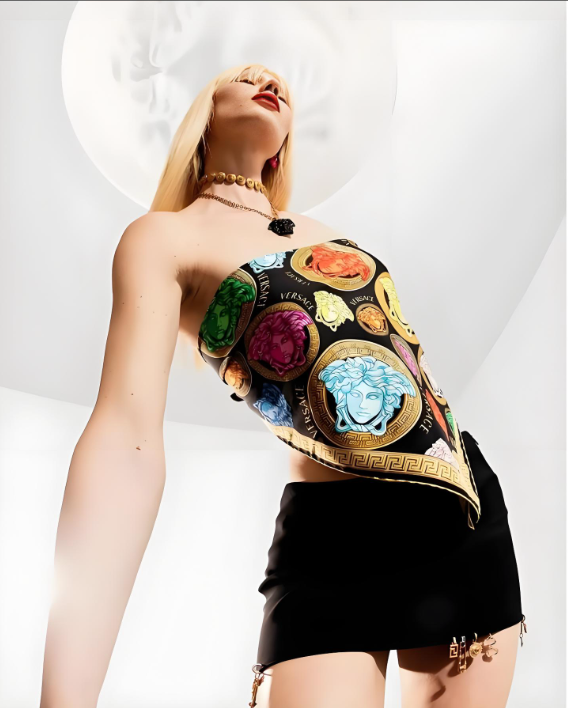
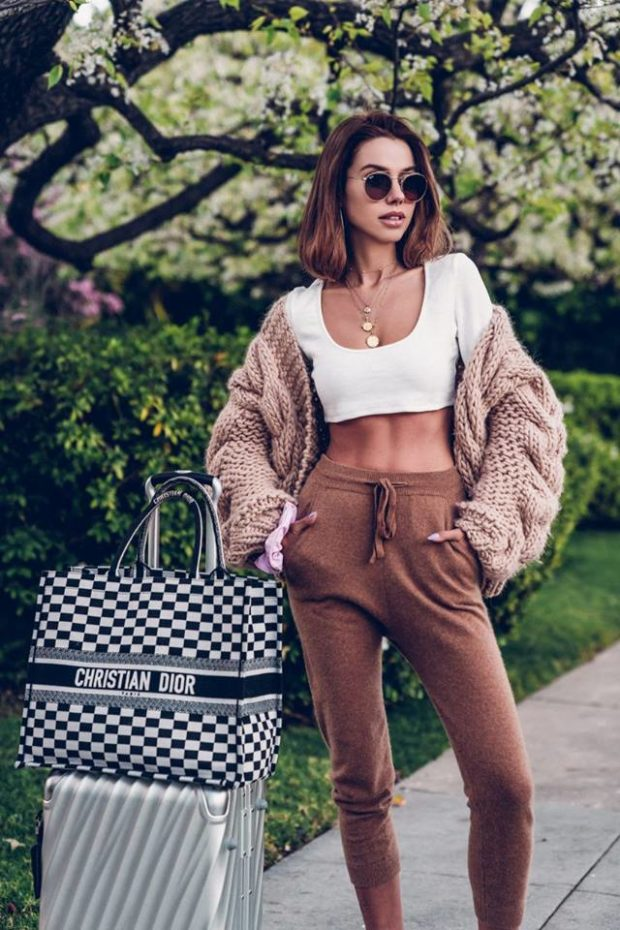
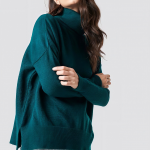
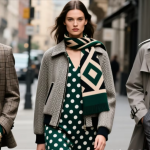
Suggested Image: A stylish street-style composition featuring a person wearing a balanced everyday outfit that combines contemporary fashion trends with classic wardrobe essentials. Include neutral clothing, one modern statement piece, and carefully coordinated accessories in a natural urban setting.
Suggested Alt Text: Person wearing a modern everyday outfit combining current fashion trends with timeless wardrobe essentials.
Fashion trends offer endless inspiration, but translating runway looks and social media outfits into practical everyday clothing can be challenging. What looks impressive in a fashion editorial may not always feel comfortable, versatile, or appropriate for your daily routine.
The key is understanding that you do not need to follow every new trend to create fashionable outfits. Instead, learning how to incorporate fashion trends into your everyday style means selecting elements that complement your existing wardrobe, reflect your preferences, and work with the way you actually live.
A thoughtful approach makes it easier to experiment with new colors, silhouettes, textures, and accessories without completely changing your personal style. Whether you prefer relaxed casual outfits, polished everyday combinations, or a more contemporary aesthetic, small styling adjustments can make familiar clothing feel refreshed.
Here are practical ways to bring fashion inspiration into your daily wardrobe while maintaining a consistent and wearable personal style.
Understand Your Personal Style Before Following Trends
Before introducing new fashion trends, consider the clothing you already enjoy wearing. Your existing wardrobe provides a useful starting point because it reflects your preferred colors, silhouettes, fabrics, and everyday dressing habits.
Understanding these preferences helps you distinguish between trends that genuinely suit your style and those that simply look appealing in photographs.
Identify the Clothing You Wear Most Often
Start by looking at the pieces you reach for regularly. These might include straight-leg jeans, oversized shirts, tailored trousers, simple knitwear, comfortable sneakers, or structured jackets.
Notice what makes these items useful. Perhaps you appreciate their relaxed fit, neutral colors, easy layering potential, or ability to work with different outfits.
These observations reveal the foundations of your personal style.
For example, someone who frequently wears minimalist clothing may find it easier to incorporate a popular color trend through a handbag or knit top rather than introducing several bold statement pieces at once.
The goal is to build on familiar preferences instead of replacing everything you already own.
Recognize Which Trends Match Your Lifestyle
Not every trend deserves a place in your everyday wardrobe. Consider how often you would wear a particular item and whether it fits your regular activities.
A dramatic evening-inspired silhouette might be interesting for special occasions but less practical for everyday errands or work.
Similarly, delicate footwear may not suit someone who spends considerable time walking.
Evaluate trends according to three practical considerations:
- Lifestyle: Does the trend work with your daily activities?
- Versatility: Can you combine it with several existing pieces?
- Personal preference: Do you genuinely enjoy the style?
When a trend meets these considerations, it is more likely to become a useful addition rather than an item that remains unworn.
Choose Trends That Work With Your Existing Wardrobe
One of the easiest ways to update your everyday outfits is to introduce new fashion elements into clothing combinations you already understand.
Rather than creating an entirely different wardrobe around each new trend, focus on finding connections between contemporary styles and familiar essentials.
Start With Small Fashion Updates
You do not need a completely new outfit to experiment with current fashion trends.
A different neckline, an updated denim silhouette, a contemporary shoe style, or an interesting bag can change the overall impression of an otherwise familiar combination.
For example, a simple outfit consisting of jeans and a basic top can take on a different appearance when paired with a modern jacket or statement accessories.
Small changes are particularly useful because they allow you to evaluate whether a trend fits your preferences before making larger wardrobe decisions.
Prioritize Versatile Trend Pieces
Some fashion trends are easier to incorporate into everyday dressing because they work across different occasions and outfit combinations.
Look for clothing that can be styled in several ways rather than pieces that depend on one specific look.
Examples include:
- A contemporary cardigan that works with jeans, skirts, and tailored trousers.
- A modern button-down shirt suitable for casual and polished outfits.
- Updated denim that complements different tops and footwear.
- A versatile jacket that adds structure to simple clothing combinations.
- A fashionable bag that works with both relaxed and more refined outfits.
Versatility does not mean avoiding interesting fashion choices. It simply means selecting pieces that offer more opportunities for everyday styling.
Use Color Trends to Refresh Everyday Outfits
Color is one of the most accessible ways to experiment with changing fashion trends. Seasonal collections and contemporary street style often introduce new shades that can make familiar clothing combinations feel different.
However, wearing an entire outfit in a trend-focused color is not necessary.
A more balanced approach involves introducing new shades gradually and considering how they interact with the colors already present in your wardrobe.
Introduce Trend Colors Through Accessories
Accessories provide an easy starting point for experimenting with unfamiliar colors.
A handbag, scarf, belt, pair of shoes, or piece of jewelry can introduce a contemporary shade without requiring a major wardrobe update.
For instance, someone who usually wears black, white, and gray could experiment with a burgundy accessory or a muted green bag.
This approach creates visual interest while keeping the rest of the outfit familiar.
It also makes it easier to experiment with colors that may initially seem difficult to incorporate into everyday clothing.
Balance Statement Colors With Neutrals
Neutral shades provide a reliable foundation for combining trend-focused colors.
Black, white, beige, navy, gray, and brown can help balance brighter or more distinctive shades.
Consider a few simple combinations:
- A colorful knit top with neutral trousers.
- A statement skirt with a simple white shirt.
- A muted jacket paired with classic denim.
- A brightly colored bag against an otherwise understated outfit.
The relationship between colors matters more than the number of fashionable shades you wear.
Keeping some elements visually simple allows statement colors to become more noticeable without making the overall outfit feel overly complicated.
Experiment With Silhouettes, Textures, and Proportions
Fashion trends are not limited to colors or individual clothing items. Changes in silhouette, fabric, and proportion can also influence how an outfit looks.
These elements are especially useful when you want to update familiar clothing without purchasing many new pieces.
Combine Different Clothing Proportions
Proportion refers to how different clothing shapes and volumes work together.
For example, an oversized shirt can create an interesting contrast when paired with more structured trousers. Similarly, a relaxed sweater may work well with a streamlined skirt.
The objective is to create a balanced overall appearance rather than making every item equally loose or fitted.
Some combinations worth exploring include:
- Wide-leg trousers with a more streamlined top.
- An oversized blazer with simple everyday basics.
- A cropped jacket with high-waisted trousers.
- A relaxed shirt with a structured skirt.
These combinations demonstrate how changing proportions can make familiar clothing feel more contemporary.
Mix Textures for More Interesting Outfits
Texture adds depth to an outfit even when the color palette remains relatively simple.
Combining different materials can create contrast and make everyday clothing appear more thoughtfully coordinated.
For example, denim can work well with soft knitwear, while structured cotton can complement flowing fabrics.
You might also experiment with combinations such as:
- Leather-inspired textures with soft cotton.
- Chunky knitwear with smooth tailored fabrics.
- Denim with lightweight woven materials.
- Textured outerwear with simple jersey basics.
The most effective combinations usually create contrast without introducing too many competing visual elements.
Incorporate Seasonal Fashion Trends Naturally
Seasonal fashion trends provide opportunities to refresh your wardrobe as temperatures, activities, and dressing requirements change.
However, seasonal dressing does not need to involve replacing your entire collection of clothing every few months.
A more practical strategy is to adapt familiar pieces through layering, fabric choices, and carefully selected seasonal additions.
Update Your Layers for Changing Weather
Layering makes it easier to incorporate contemporary fashion trends while remaining comfortable throughout the day.
A basic combination of a shirt and trousers can become more interesting with a lightweight jacket, cardigan, or structured outer layer.
Depending on the season, consider:
- Lightweight cardigans for transitional weather.
- Relaxed blazers for adding structure.
- Denim jackets for casual combinations.
- Knitwear for cooler temperatures.
- Lightweight coats for changing weather conditions.
Layering also provides opportunities to experiment with colors and textures without making a single piece responsible for the entire outfit.
Adapt Seasonal Pieces for Everyday Wear
Some seasonal trends may initially appear difficult to style because they are presented in highly coordinated editorial outfits.
The solution is to simplify them.
For example, a seasonal statement jacket can be paired with familiar jeans and a basic top. A fashionable skirt can be combined with comfortable everyday footwear.
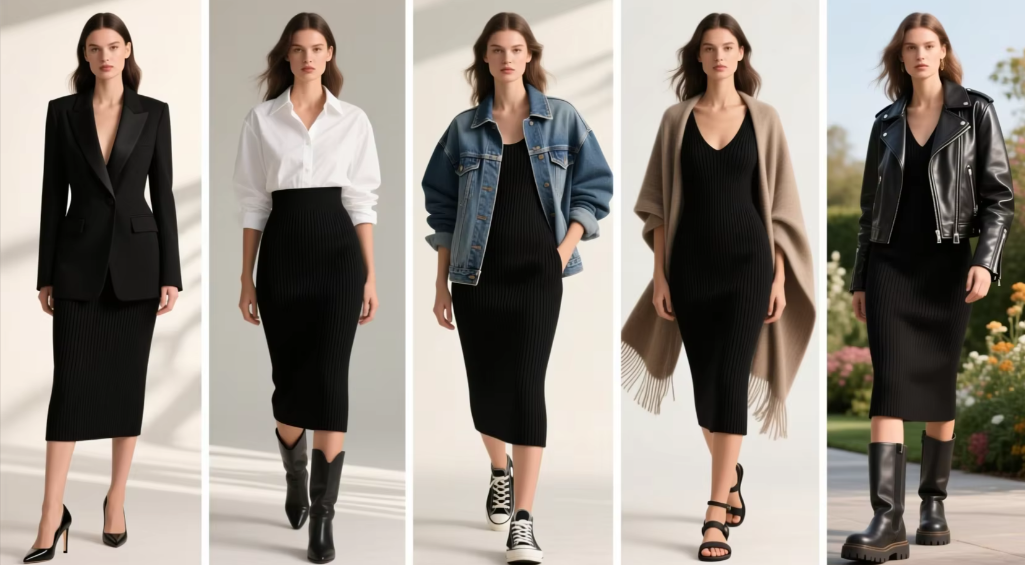
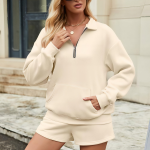
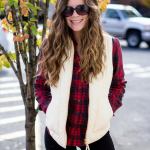
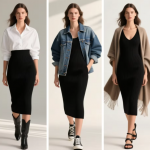
Suggested Image: A collection of three coordinated everyday outfits showing how seasonal fashion trends can be styled with wardrobe essentials. Include a layered transitional-weather look, a relaxed casual combination, and a polished everyday outfit with contemporary accessories.
Suggested Alt Text: Three everyday outfits demonstrating how seasonal fashion trends can be combined with versatile wardrobe essentials.
Think about how a seasonal item can work with clothing you already own rather than recreating the complete outfit shown in a fashion campaign.
This makes seasonal trends easier to wear beyond a single occasion.
Make Accessories Part of Your Trend Strategy
Accessories can significantly influence the overall appearance of an outfit.
They also offer a practical way to experiment with changing fashion preferences because they generally require less commitment than purchasing several new clothing pieces.
A familiar outfit can feel noticeably different when paired with contemporary footwear, a distinctive handbag, or carefully selected jewelry.
Use Bags, Shoes, and Jewelry to Update Outfits
Accessories should complement the overall direction of your outfit rather than compete with every other element.
For example, a structured bag can add a more polished appearance to relaxed clothing, while contemporary sneakers can make tailored pieces feel more casual.
Consider these styling approaches:
- Bags: Experiment with different shapes, textures, and colors to introduce current design influences.
- Shoes: Explore updated silhouettes that work with your regular clothing combinations.
- Jewelry: Use simple or statement pieces to introduce additional detail.
- Belts: Change the visual structure of dresses, trousers, and oversized tops.
- Scarves: Introduce seasonal colors and patterns through a relatively small accessory.
The most useful accessories are those that work with several different outfits.
Rather than choosing accessories only because they are currently popular, consider how they complement the clothing you wear most frequently.
Avoid Common Mistakes When Following Fashion Trends
Fashion inspiration is useful, but adopting trends without considering how they work together can make everyday dressing unnecessarily complicated.
A more selective approach helps maintain a consistent wardrobe while leaving room for experimentation.
Avoid Building an Entire Outfit Around Trends
Wearing several statement trends together can sometimes create a visually crowded outfit.
For example, combining a dramatic silhouette, multiple bright colors, bold patterns, and oversized accessories may make it difficult for individual elements to complement one another.
Instead, choose one main trend and use familiar clothing to support it.
If you are experimenting with statement trousers, keep the top and accessories relatively simple.
If you want to wear an interesting jacket, allow it to become the main visual feature.
This approach creates a clearer outfit direction and makes contemporary trends easier to incorporate into everyday dressing.
Consider Comfort, Fit, and Practicality
An outfit should work in real situations, not just look appealing in a photograph.
Consider whether the clothing allows you to move comfortably, whether the fabric suits the weather, and whether the overall combination works for your daily activities.
Fit is also important. A fashionable silhouette may look different depending on the garment’s proportions and how it works with the other pieces in an outfit.
You do not need to adopt a particular fit simply because it is popular.
Choosing clothing that feels comfortable and appropriate for your routine makes it easier to develop a wardrobe you genuinely enjoy wearing.
Build a Wardrobe That Balances Trends and Timeless Pieces
A practical everyday wardrobe combines familiar essentials with selected contemporary additions.
Timeless clothing provides consistency, while trend-focused pieces introduce variety and allow you to experiment with changing fashion influences.
Neither approach needs to replace the other.
Create a Reliable Foundation of Everyday Clothing
Start with clothing that can serve as the foundation for different combinations.
Depending on your preferences, useful wardrobe essentials might include:
- Well-fitting jeans or everyday trousers.
- Simple shirts and basic tops.
- Versatile knitwear.
- A practical jacket or blazer.
- Comfortable everyday footwear.
- A skirt or dress that suits your regular activities.
- Neutral-colored layering pieces.
These items create a flexible starting point for introducing new styles.
For example, one pair of classic trousers can work with a contemporary knit top, an updated shirt, or a fashionable jacket.
Having reliable basics makes it easier to experiment without needing a completely different outfit for every occasion.
Refresh Your Wardrobe Without Constantly Replacing It
A wardrobe does not need to change every time a new fashion trend appears.
Instead, review what you already own and identify where a small update could make the biggest difference.
You might discover that a different accessory, an updated combination of existing pieces, or one carefully selected clothing item is enough to create several new outfit possibilities.
It is also worth considering whether a trend is likely to remain useful beyond its initial popularity.
Ask yourself:
- Can I wear this item with clothing I already own?
- Does it fit my everyday activities?
- Can I create several different outfits with it?
- Do I like the design independently of its current popularity?
These questions encourage more intentional wardrobe decisions.
Over time, this approach can make everyday dressing simpler while allowing your personal style to evolve naturally.
Conclusion
Incorporating fashion trends into your everyday style is less about following every new fashion development and more about understanding which elements genuinely complement your wardrobe.
Start by identifying your existing style preferences, then experiment with wearable trends through colors, silhouettes, textures, seasonal layers, and accessories.
Prioritize versatility, comfort, and practical outfit combinations instead of purchasing clothing simply because it is currently popular.
Most importantly, allow your personal preferences to guide your decisions. Fashion trends can provide inspiration, but they should support the way you want to dress rather than dictate it.
When you combine contemporary influences with reliable wardrobe essentials, everyday outfits can feel fresh, individual, and consistently wearable.
Frequently Asked Questions
1. How can I incorporate fashion trends into my everyday style without changing my entire wardrobe?
Start by introducing small updates through accessories, colors, footwear, or one contemporary clothing piece. Combine these additions with wardrobe essentials you already own. This allows you to experiment with current fashion trends without replacing your existing clothing collection.
2. How do I know which fashion trends are suitable for everyday wear?
Consider your lifestyle, comfort preferences, and existing wardrobe. Trends that can be styled in multiple ways and work with your regular activities are generally easier to incorporate into everyday outfits. Choose styles you genuinely enjoy rather than following every popular look.
3. What are the easiest ways to make basic outfits look more fashionable?
Experiment with accessories, layering, color combinations, and different clothing proportions. Adding a structured jacket, interesting shoes, or a contemporary handbag can refresh a simple outfit without making it overly complicated.
4. How can I follow seasonal fashion trends while maintaining my personal style?
Choose seasonal elements that complement your existing wardrobe. Introduce new colors, fabrics, or silhouettes gradually, and combine them with clothing that already reflects your preferences. This helps your wardrobe evolve without losing its overall identity.
5. Should I invest in timeless clothing or follow current fashion trends?
A balanced wardrobe benefits from both. Timeless clothing provides a reliable foundation for everyday outfits, while selected trend-focused pieces introduce variety and contemporary details. Prioritizing versatile essentials while experimenting selectively with trends can make your wardrobe more adaptable over time.