



Why Mix and Match Dressing Matters Today
Fashion today is no longer about owning more—it’s about owning smarter. The idea of mix and match outfits has become essential in a world where people want efficiency, sustainability, and personal expression at the same time.
Instead of buying new clothes for every occasion, you learn how to build combinations that work across contexts. That shift doesn’t just save money—it changes how you think about style itself.
The Rise of Capsule Wardrobes
A capsule wardrobe is built on a simple idea: fewer pieces, more combinations. Think of it as a curated system rather than a crowded closet. Each item is selected because it interacts well with others.
This approach has gained traction because it solves a common frustration—having a full wardrobe but “nothing to wear.”
Why Less Clothing Can Mean More Style
When you reduce clutter, you increase clarity. Every piece becomes intentional. You stop relying on quantity and start focusing on compatibility, fit, and versatility.
Ironically, limitations often create better style decisions.
Building the Foundation: Core Wardrobe Pieces
Before you can mix and match effectively, you need a solid base. These are the building blocks of your wardrobe system.
Neutral Basics That Work with Everything
Neutral items are the backbone of outfit flexibility:
- White t-shirts
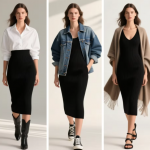
- Black trousers
- Denim jeans
- Beige or grey sweaters
- Simple sneakers
These pieces are like “style connectors”—they pair with almost anything without visual conflict.
Statement Pieces That Elevate Looks
Basics alone can feel flat. Statement pieces introduce personality:
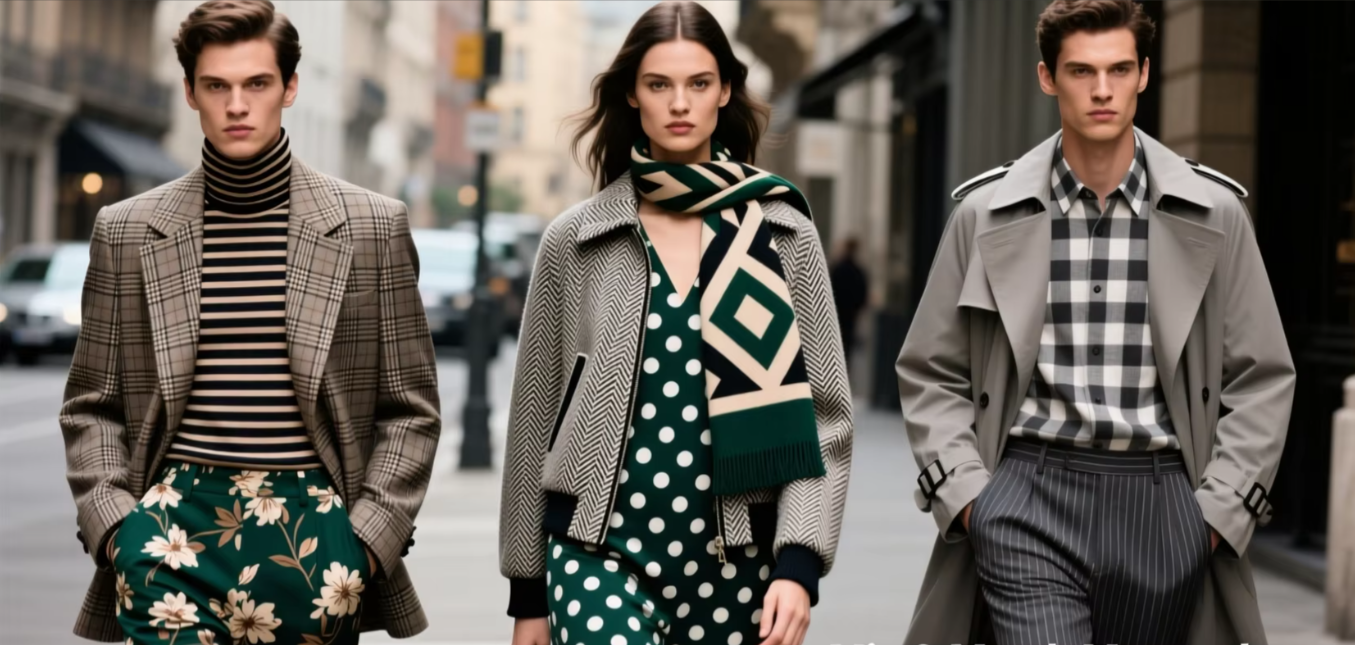
- Patterned jackets
- Bold skirts
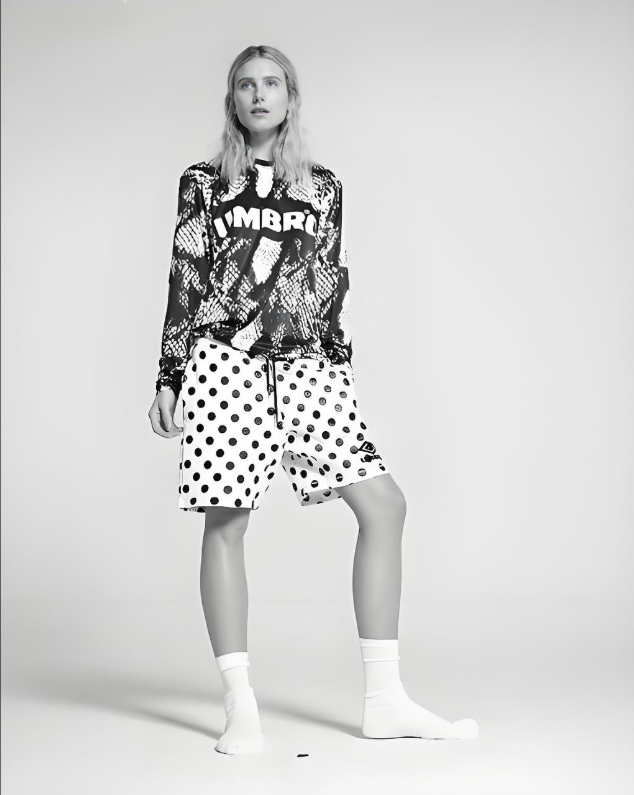
- Graphic tops
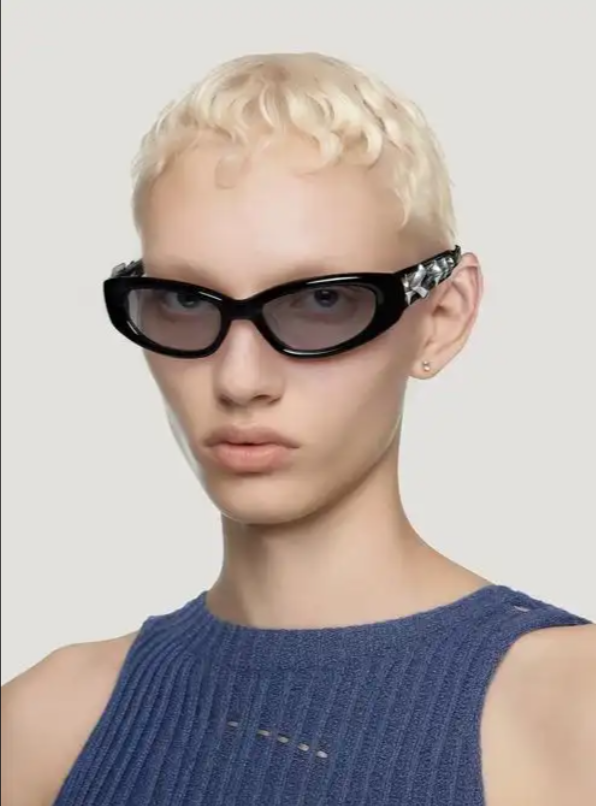
- Unique accessories
The key is balance—too many statements in one outfit can overwhelm the look.
Balancing Basics and Statements
A reliable rule:
If one piece is loud, keep the rest quiet.
This creates visual hierarchy and prevents styling chaos.
Color Theory for Outfit Combinations
Color is one of the most powerful tools in fashion coordination. Understanding it transforms how you build outfits.
Neutral Color Palettes
Neutral tones like black, white, grey, navy, and beige create effortless harmony. They reduce friction between pieces and allow for maximum mixing potential.
Accent Colors and Seasonal Tones
Accent colors add depth:
- Spring: soft pastels
- Summer: bright tones
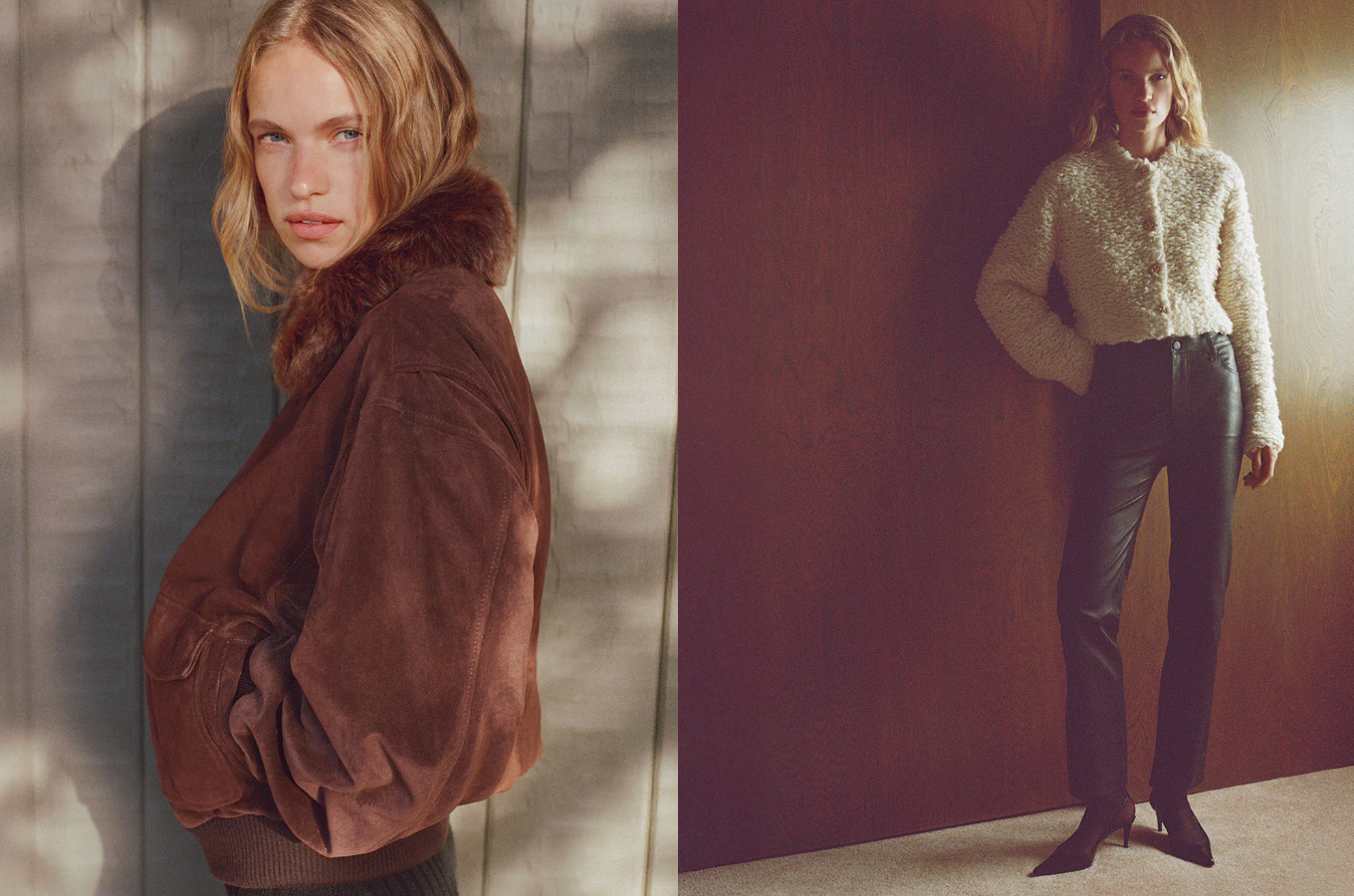
- Autumn: earthy hues
- Winter: deep jewel tones
You don’t need many colors—just strategic ones.
Textures and Fabrics: The Secret Styling Layer
Many people ignore texture, but it’s what makes outfits feel rich and intentional.
Mixing Cotton, Denim, and Knitwear
Combining different fabrics adds dimension:
- Cotton = clean and casual
- Denim = structured and timeless
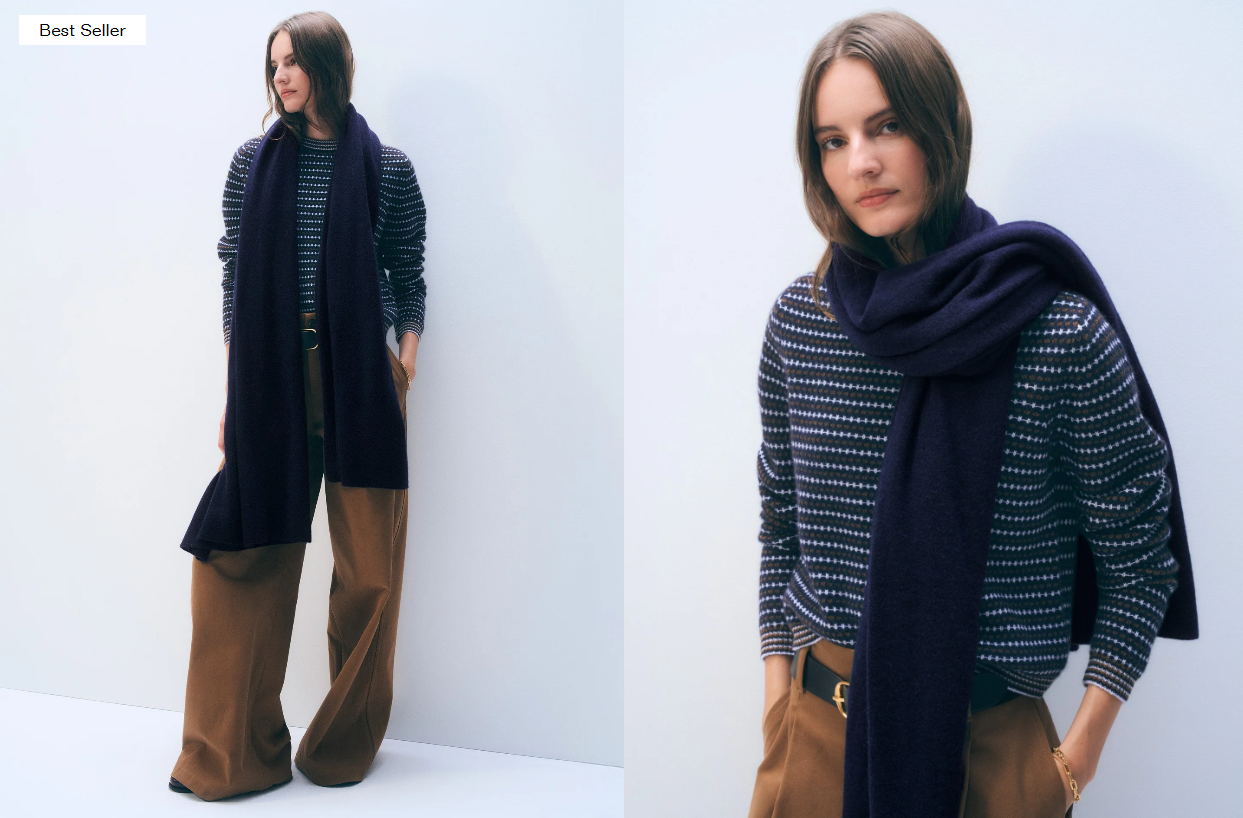
- Knitwear = soft and cozy
A simple outfit becomes visually interesting when textures contrast.
Avoiding Visual Overload
Too many competing textures can confuse the eye. Stick to 2–3 fabric types per outfit for balance.
Smart Layering Techniques for Every Season
Layering is where mix-and-match fashion becomes truly powerful.
Spring and Summer Layering Tips
In warmer seasons, layering is about lightness:
- Linen shirts over tank tops
- Lightweight cardigans
- Open button-ups over tees
Keep airflow and movement in mind.
Fall and Winter Outfit Stacking
Cold weather allows for richer layering:
- Turtlenecks under coats
- Hoodies under structured jackets
- Scarves as visual anchors
Layering adds both warmth and depth.
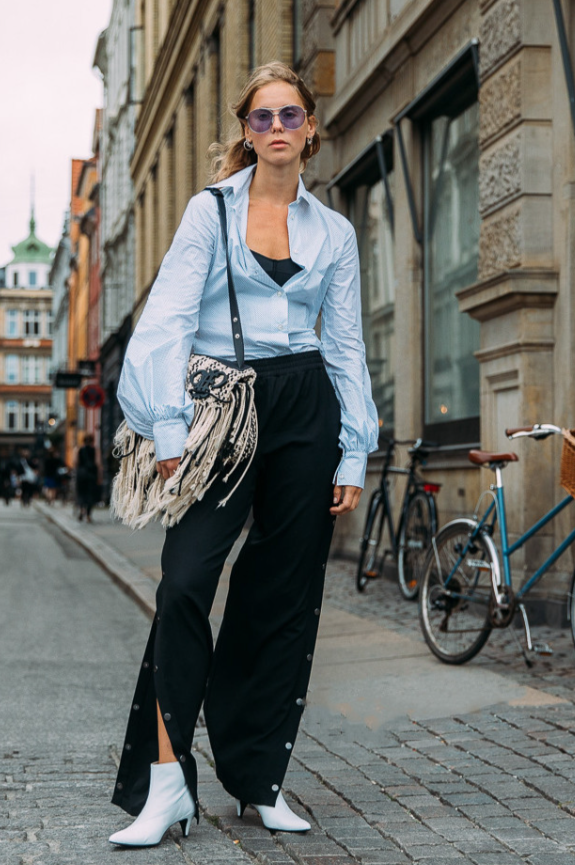
How to Build Outfit Formulas That Always Work
Instead of guessing daily outfits, you can build repeatable systems.
The 3-Piece Rule
A simple formula:
Top + Bottom + Layer
This structure keeps styling consistent and easy.
Work, Casual, and Weekend Templates
Create preset combinations:
- Work: blazer + trousers + neutral top
- Casual: jeans + tee + sneakers
- Weekend: relaxed shirt + shorts + sandals
Once you define templates, dressing becomes effortless.
Common Mistakes When Mixing Outfits
Even with good pieces, styling mistakes can break the look.
Overcomplicating Your Look
Too many colors, patterns, or layers can make outfits feel chaotic. Simplicity often looks more expensive and intentional.
Ignoring Fit and Proportion
No combination works if proportions are off. Oversized tops need balanced bottoms, and fitted pieces need breathing space.
Building a Versatile Capsule Wardrobe
A capsule wardrobe is not about restriction—it’s about control.
Choosing Timeless Items
Focus on pieces that don’t age quickly:
- Plain shirts
- Straight-leg jeans
- Blazers
- Simple outerwear
These form the backbone of long-term styling flexibility.
Rotating Seasonal Pieces
You don’t need to replace your wardrobe—just rotate additions based on season and trend relevance.
Real-Life Outfit Combination Examples
Let’s make it practical.
10 Everyday Outfit Ideas
- White tee + blue jeans + sneakers
- Black turtleneck + beige trousers + coat
- Oversized shirt + slim pants + loafers
- Hoodie + denim jacket + joggers
- Knit sweater + skirt + boots
- Graphic tee + blazer + jeans
- Tank top + cardigan + wide-leg pants
- Monochrome black outfit with textures
- Linen shirt + shorts + sandals
- Button-up shirt + chinos + sneakers
Each combination can be reworked endlessly with small swaps.
How to Develop Your Personal Style System
Style isn’t just clothing—it’s decision-making.
Finding Your Signature Aesthetic
Ask yourself:
- Do you prefer minimal or expressive looks?
- What colors make you feel confident?
- What silhouettes feel natural on your body?
Your answers form your personal style DNA.
Experimenting Without Waste
Try new combinations using existing pieces before buying anything new. Creativity often comes from constraint, not abundance.
Conclusion
Mix and match dressing is ultimately about strategy, not excess. When you understand how pieces interact—through color, texture, layering, and proportion—you unlock far more value from a smaller wardrobe.
The key takeaway is simple: style is not about owning more clothes, but about making your clothes work harder for you. With a structured approach, even a limited wardrobe can produce endless combinations that feel fresh, intentional, and personal.
FAQs
1. What is the easiest way to start mixing and matching outfits?
Start with neutral basics and build combinations around jeans, t-shirts, and simple layers. Once comfortable, gradually add statement pieces.
2. How many clothes do I need for a capsule wardrobe?
There’s no fixed number, but most capsule wardrobes range from 25–40 versatile items depending on lifestyle and season.
3. Can bold colors still work in a mix-and-match wardrobe?
Yes, but they should be used as accent pieces so they don’t limit combination flexibility.
4. What is the biggest mistake people make with outfit combinations?
Overcomplicating outfits with too many patterns, colors, or conflicting textures.
5. How do I make old clothes feel new again?
Try new combinations, layering techniques, or pairing them with different accessories to refresh their look.